Zinc-rich primers protect steel by sacrificial galvanic action. The zinc oxidizes preferentially, the steel does not. The catch: the zinc particles must be electrically connected to each other and to the substrate for the protection to work. That is why formulators argue about pigment volume concentration and binder choice for a living.
Two binder families dominate
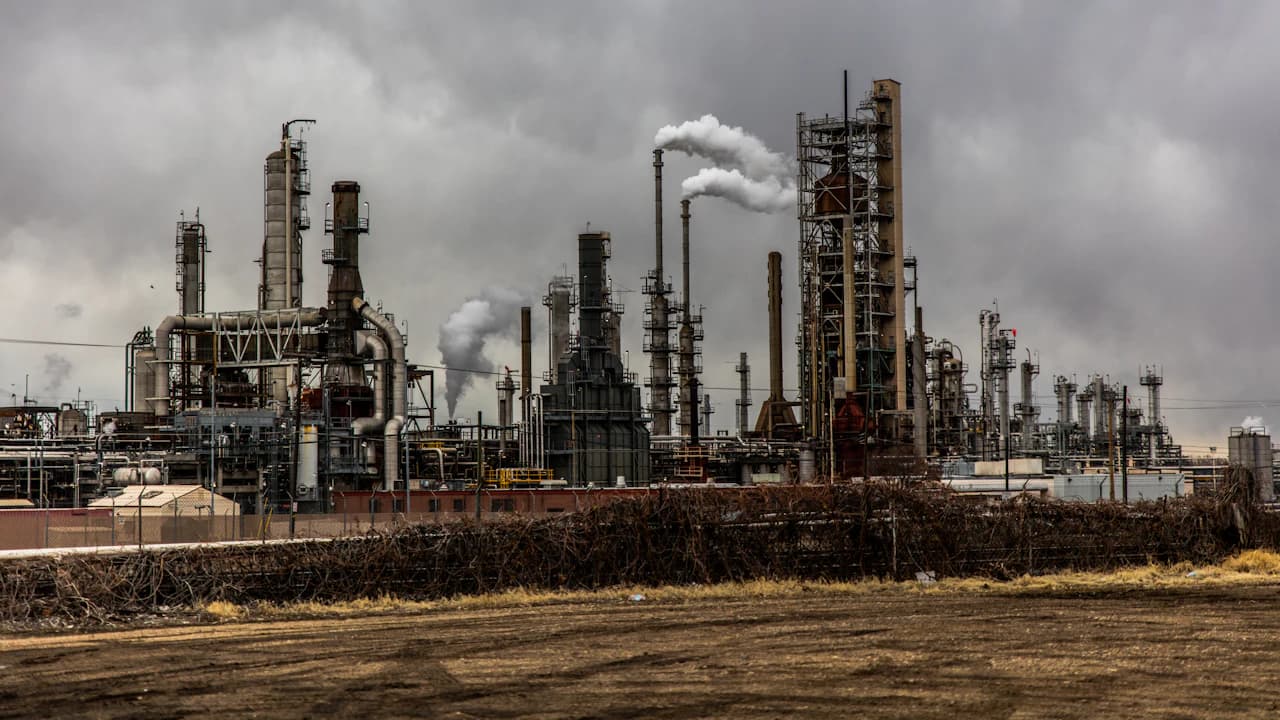
Inorganic ethyl-silicate primers. Highest temperature resistance, hardest film, most demanding to apply. Common on offshore platforms and refineries.
Epoxy zinc-rich primers. Easier to apply, broader compatibility window, slightly lower service temperature. Common on bridges, structural steel, marine vessels.
The 80% rule
For practical galvanic protection, you typically want zinc dust at 80%+ of the dry film weight. Below ~70%, particle-to-particle contact starts to break down and the cathodic protection mechanism falls off. Above ~90% the film gets brittle.
Why Fine Flake changes the math
Spherical zinc dust packs randomly. Fine Flake overlaps. That overlap means you can hit the conductivity threshold at lower zinc loading. Which lowers material cost, reduces film weight, and gives a flatter, smoother coat.