Zinc ingot is sold by purity, and the same grade carries a different name in ASTM B6, EN 1179 and on the LME. The grades from 99.995% down to 98.5%, what each impurity limit protects, and what to write on the purchase order.
A zinc ingot is refined zinc metal cast into a shape made to be remelted. Galvanizing kettles, brass furnaces and die-casting alloy melts all take their zinc this way. What a buyer specifies is not the shape but the grade: a minimum zinc content, with a maximum for each impurity that the next process cannot tolerate. The complication is that the standards do not agree on names. The grade most traders call SHG has one name in ASTM B6, another in EN 1179, and a third meaning on the London Metal Exchange.
What a zinc ingot is
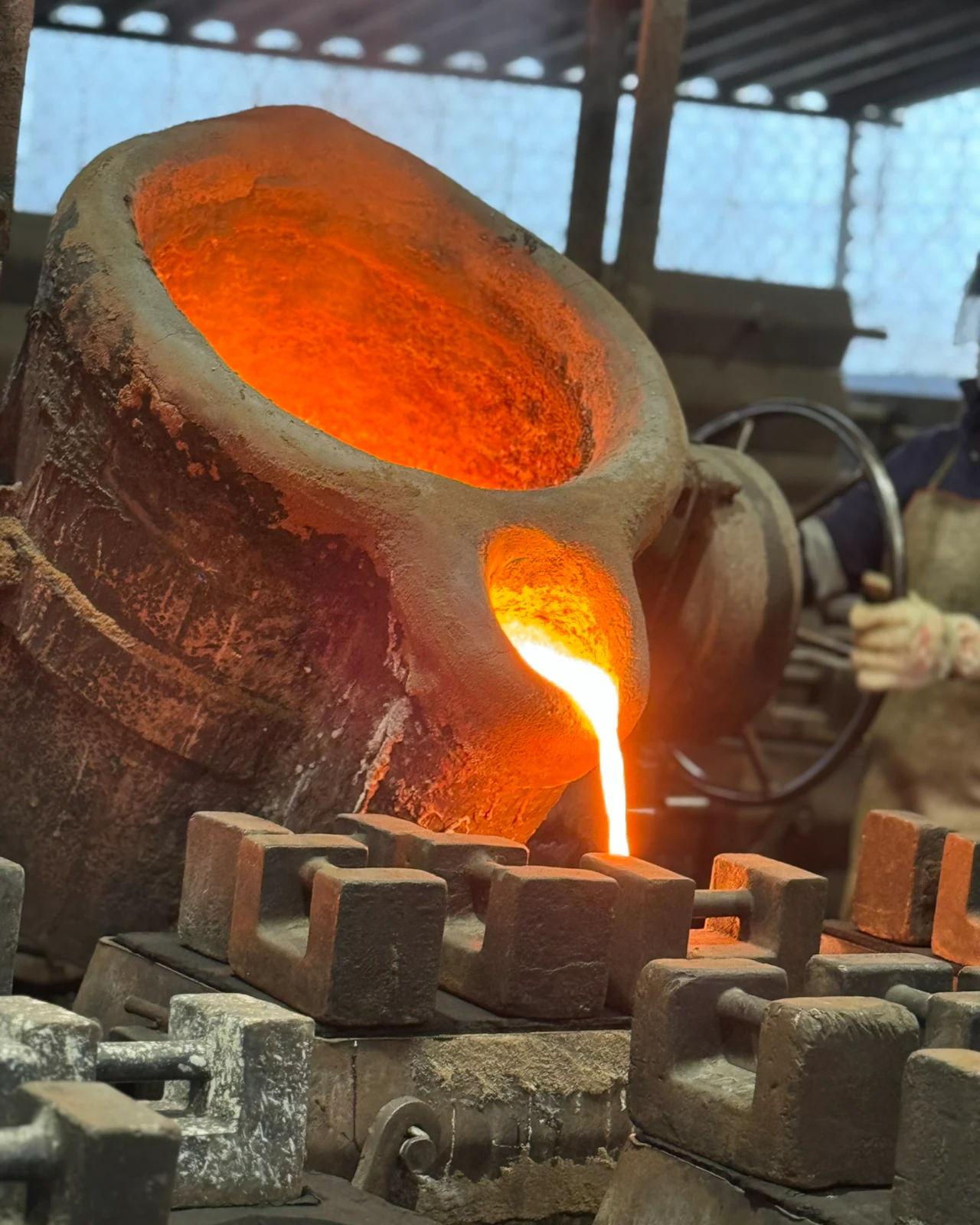
Zinc is recovered from ore, refined and cast in two common forms: slab ingots that stack into strapped bundles, and jumbo blocks for large kettles. Slabs are typically around 25 kg and bundles around one tonne; jumbos typically weigh one to two tonnes. These are typical figures, and exact weights vary by producer. Zinc melts at 419.5 °C and has a density of 7.14 g/cm³, which is why ingots can be fed straight into a galvanizing bath.
ASTM B6 and EN 1179 both cover primary zinc, meaning metal produced from ore. Secondary zinc, remelted from scrap and dross, is a different product and is not sold under these grade names. When two quotations differ widely, this is the first thing to check.
The grades, side by side
ASTM B6 defines five grades. EN 1179 defines the same five steps as Z1 to Z5 and assigns each a colour code used to mark the bundles.
Zinc (min)
ASTM B6 name
EN 1179 name
EN colour code
Typical use
99.995%
LME Grade
Z1
White
Galvanizing, die-casting alloys, zinc oxide
99.99%
Special High Grade
Z2
Yellow
Galvanizing, alloy production
99.95%
High Grade
Z3
Green
Brass, general alloying
99.5%
Intermediate Grade
Z4
Blue
Melts that tolerate lead
98.5%
Prime Western
Z5
Black
General galvanizing
The gap between grades looks small as a zinc percentage and large as an impurity allowance. A tonne of 99.995% zinc carries at most 50 g of everything that is not zinc. A tonne of 99.95% zinc may carry 500 g. The element limits for the three grades Atso Tek quotes are in the zinc ingot chemical composition table.
What each impurity limit protects
Lead (Pb): 0.003% maximum at 99.995%, against 0.03% at 99.95%. Lead causes intergranular corrosion in zinc die-casting alloys and uses up the lead allowance of a low-lead brass.
Cadmium (Cd): 0.003% maximum at 99.995%. Tracked alongside lead wherever the end product falls under substance restrictions.
Iron (Fe): 0.002% maximum at 99.995%. In a galvanizing bath iron combines with zinc and settles as dross, so iron fed in with the ingot takes zinc out of the kettle.
Tin (Sn): 0.001% maximum in the top three grades. Even trace tin is a corrosion risk in die-casting alloys.
Copper (Cu) and aluminum (Al): 0.001% maximum each at 99.995%. Continuous galvanizing lines add aluminum on purpose, and a low figure in the ingot keeps that addition under control.
Which grade for which process
Continuous galvanizing of sheet and wire: 99.995%.
General hot-dip galvanizing: according to the bath specification; 99.995% for a lead-free bath.
Zinc die-casting alloys: 99.995% only.
Leaded brass and general alloying: 99.95% is usually sufficient.
Lead-free or low-lead brass: 99.995%.
What to write on the purchase order
State three things together: the zinc minimum as a number, the standard, and the grade name. For example, 'Zn 99.995% min, EN 1179 Z1' or 'Zn 99.95% min, ASTM B6 High Grade'. Add the form (slab or jumbo), the bundle weight your unloading equipment can handle, and the delivery term. When the lot arrives, compare the lead, cadmium and iron values on the Certificate of Analysis with the limits of the grade you ordered. For customs, unwrought zinc falls under HS heading 7901: subheading 7901.11 covers unalloyed zinc at 99.99% or more, and 7901.12 covers zinc below that.
What purity is SHG zinc ingot?
In the market, SHG usually means the LME-deliverable grade at 99.995% minimum zinc. ASTM B6 names that chemistry LME Grade and uses Special High Grade for 99.99%, so the zinc minimum should be written on the order as a number.
How much does a zinc ingot weigh?
Slab ingots are typically around 25 kg and ship in strapped bundles of about one tonne. Jumbo blocks typically weigh one to two tonnes. Exact weights vary by producer.
What is the difference between primary and secondary zinc?
Primary zinc is produced from ore and sold to the ASTM B6 and EN 1179 grades. Secondary zinc is remelted from scrap and dross, falls outside those standards, and varies more from lot to lot.