
/01Zamak 3 · Zamak 5
Hardware
Building and furniture hardware
Handles, hinges, lock bodies and fittings cast in hot-chamber machines, then plated or painted.
Zamak ingot supplier in Turkey for die casters and hardware, fittings and automotive part producers. Zamak 3 (ZnAl4), Zamak 5 (ZnAl4Cu1) and Zamak 2 (ZnAl4Cu3) to EN 1774 and ASTM B240, with lead, cadmium and tin held to the limits that prevent intergranular corrosion in the casting. Exported from Turkey in bulk under FOB, CIF, CFR and DAP terms.
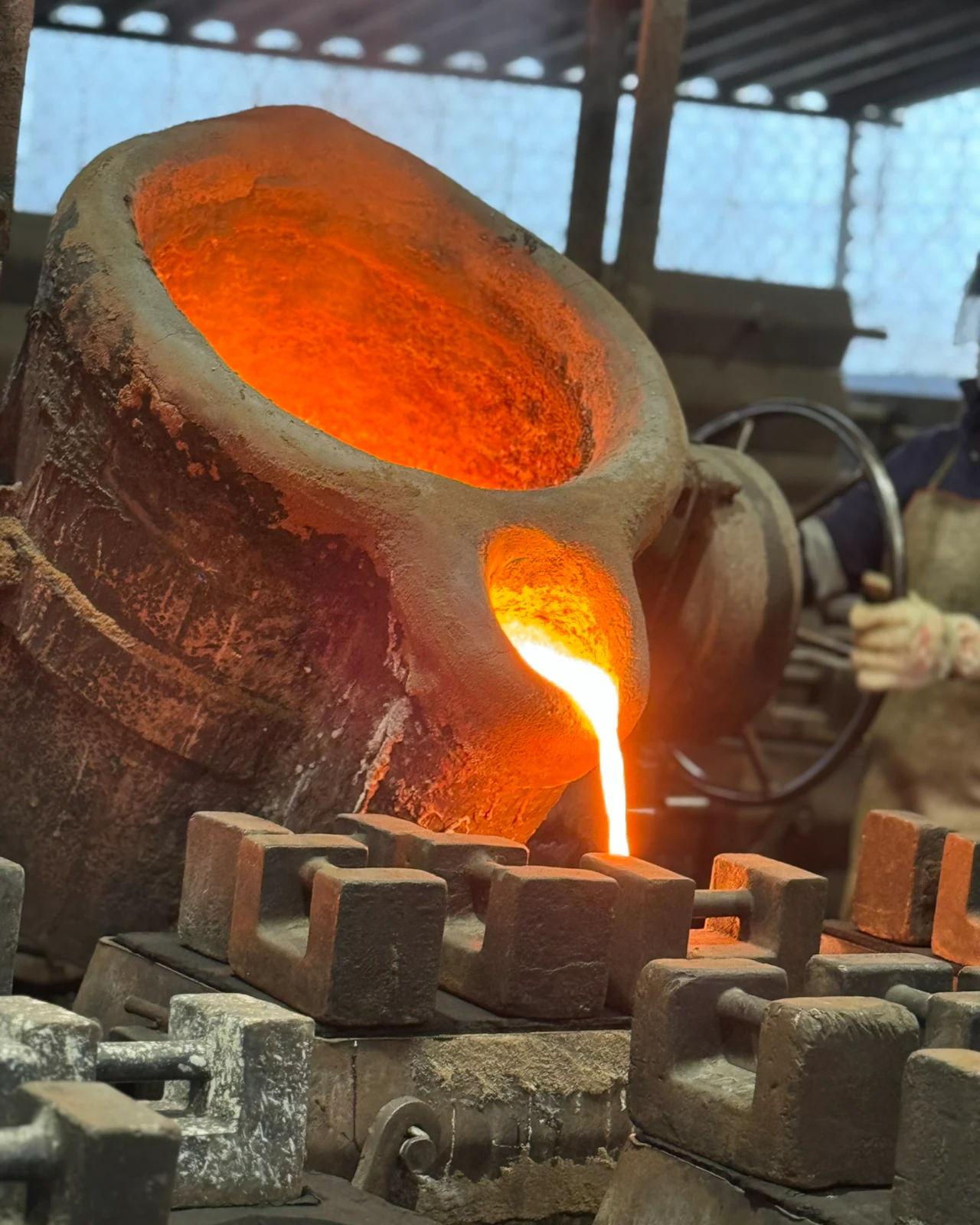
Zamak is the family of zinc die-casting alloys built on about 4% aluminum, with a small magnesium addition and, in Zamak 5 and Zamak 2, copper for strength and hardness. It is supplied as ingot that the die caster melts in the pot of a hot-chamber machine to cast door and furniture hardware, sanitary fittings, zips, automotive parts and housings. The alloy is made from high-purity zinc, because lead, cadmium and tin above a few thousandths of a percent cause intergranular corrosion in the finished casting. Atso Tek is an Istanbul-based trade company and Zamak ingot supplier for buyers in Turkey and for export.
The three Zamak alloys share the same aluminum and magnesium window and differ in copper. Copper adds strength and hardness but reduces dimensional stability over time. Each alloy carries a different name in each standard, so quote the alloy and the standard together. Availability of each alloy is confirmed on the offer.
The most widely used zinc die-casting alloy and the default when the drawing does not call for extra strength. Practically copper-free, it gives the best dimensional stability over time, good ductility and a surface that plates and paints well. EN 1774 ZL0400, ASTM B240 Alloy 3.
Zamak 3 chemistry with about 1% copper, for higher tensile strength, hardness and creep resistance at a small cost in ductility. Widely used for parts that carry load. EN 1774 ZL0410, ASTM B240 Alloy 5.
The highest copper content of the family, about 3%, for the highest strength, hardness and wear resistance. Used for parts under load or wear, accepting lower dimensional stability over time. EN 1774 ZL0430, ASTM B240 Alloy 2.
Ingot composition per EN 1774, in mass percent. Aluminum, copper and magnesium are ranges; lead, cadmium, tin, iron, silicon and nickel are maximums; zinc is the balance. The certificate of analysis for each lot is checked against the alloy you order.
| Element | Zamak 3 | Zamak 5 | Zamak 2 | Unit |
|---|---|---|---|---|
| EN 1774 designation | ZL0400 | ZL0410 | ZL0430 | |
| Alloy symbol | ZnAl4 | ZnAl4Cu1 | ZnAl4Cu3 | |
| ASTM B240 | Alloy 3 | Alloy 5 | Alloy 2 | |
| Aluminum (Al) | 3.8–4.2 | 3.8–4.2 | 3.8–4.2 | % |
| Copper (Cu) | ≤ 0.03 | 0.7–1.1 | 2.7–3.3 | % |
| Magnesium (Mg) | 0.035–0.06 | 0.035–0.06 | 0.035–0.06 | % |
| Lead (Pb), max | 0.003 | 0.003 | 0.003 | % |
| Cadmium (Cd), max | 0.003 | 0.003 | 0.003 | % |
| Tin (Sn), max | 0.001 | 0.001 | 0.001 | % |
| Iron (Fe), max | 0.02 | 0.02 | 0.02 | % |
| Silicon (Si), max | 0.02 | 0.02 | 0.02 | % |
| Nickel (Ni), max | 0.001 | 0.001 | 0.001 | % |
| Zinc (Zn) | Balance | Balance | Balance |
Note: Source: EN 1774, zinc alloys for foundry purposes in ingot form, as published in producer datasheets. ASTM B240 sets slightly different limits for the same alloys, so when your drawing names ASTM B240 we quote against that table. These are standard limits, not a lot analysis; the certificate of analysis for your lot is issued with the shipment.
Zamak casts thin walls, fine detail and smooth surfaces at high speed, and takes plating and paint well. The alloy is chosen by the strength the part needs.
Handles, hinges, lock bodies and fittings cast in hot-chamber machines, then plated or painted.
Tap bodies, handles and bathroom accessories, where a surface ready for plating matters.
Brackets, housings and lock and mirror components, where strength and dimensional accuracy are both required.
Small, detailed parts produced in very high volume for textiles, leather goods and fashion.
Every Zamak ingot shipment ships with the paperwork you need to clear customs and pass incoming inspection.
Zinc alloys for foundry purposes, ingot and liquid: ZL0400, ZL0410, ZL0430
Zinc and zinc-aluminum alloys in ingot form for foundry and die castings
Zinc alloy ingots intended for castings
Unwrought zinc alloys
Both have 3.8 to 4.2% aluminum and the same magnesium range. Zamak 5 adds 0.7 to 1.1% copper, which raises strength and hardness; Zamak 3 is practically copper-free and holds its dimensions better over time. Zamak 3 is the general default; Zamak 5 is chosen for parts that carry load.
Which applications genuinely need 99.995% zinc and which run safely on a lower class. Die-casting alloys, galvanizing baths, brass, zinc oxide and anodes compared against the cost of the premium.
All five ASTM B6 zinc grades with their zinc minimum and their lead, cadmium, iron and tin maximums, mapped to EN 1179 and ISO 752 names. What to write on the order so the chemistry is unambiguous.
"SHG" is used in the market for 99.995% zinc, but ASTM B6 reserves Special High Grade for 99.99% and calls 99.995% LME Grade. Why the letters alone are not enough on a purchase order.
Send the alloy, your monthly volume, destination port and preferred Incoterm. You'll get a written quote with FOB, CIF, CFR or DAP pricing and lead time within one business day.